British Racecourse Surfaces: A Deep Dive into Their Effects on Speed and Strategy
Written by Willa Hansen · Sep 21, 2026
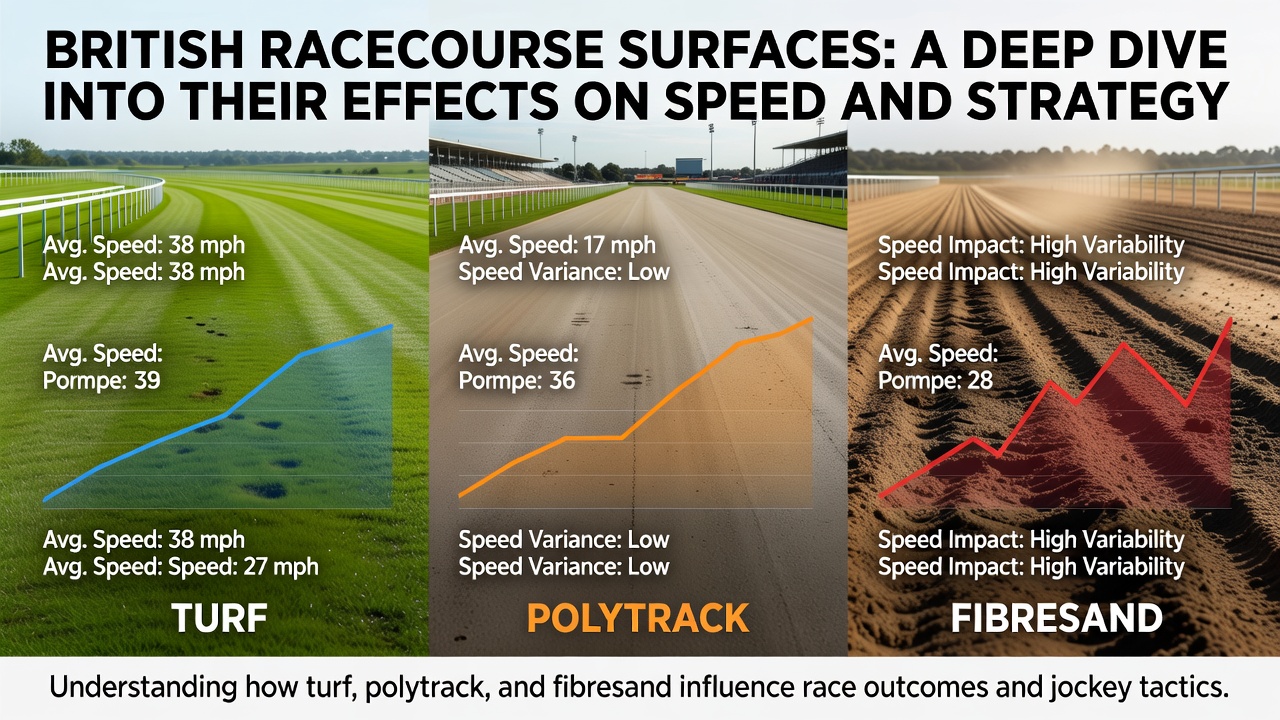
British Racecourse Surfaces: How They Shape Speed and Strategic Approaches
British racecourses feature a mix of turf and artificial surfaces that directly influence horse performance metrics, race times, and tactical decisions made by jockeys and trainers. Turf remains the predominant surface across the majority of meetings, with its condition fluctuating based on rainfall, temperature, and maintenance practices, whereas all-weather tracks such as polytrack and tapeta provide more stable footing year-round. Data from official racing records indicates that ground descriptions ranging from firm to heavy can alter average winning times by several seconds over standard distances, prompting adjustments in pace judgment and positioning. Surface type affects stride length and energy expenditure in measurable ways. On firm turf horses typically achieve higher top speeds due to reduced resistance, yet this comes with increased risk of injury on harder ground. Softer conditions slow overall times while favoring stamina over raw acceleration, and observers note that draw biases become more pronounced when the ground cuts up during prolonged wet periods. All-weather circuits, by contrast, deliver consistent bounce and cushioning that often produces quicker early fractions but can lead to different fatigue patterns in the closing stages.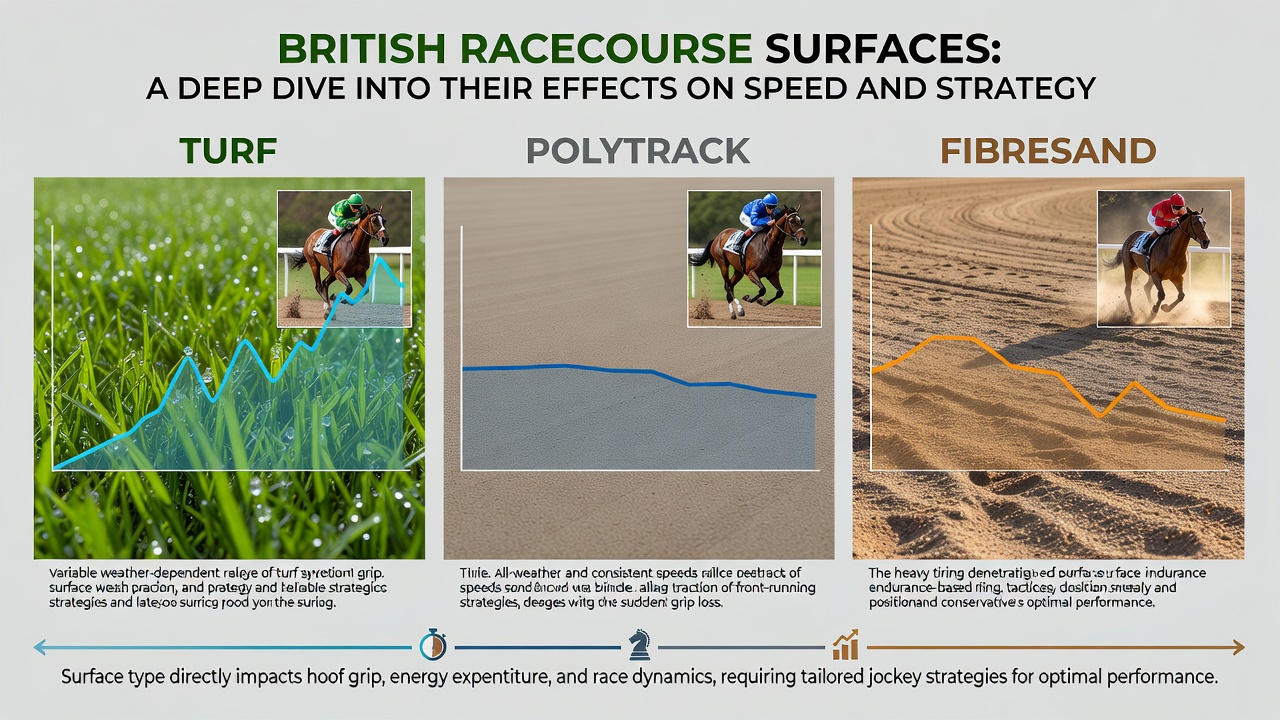
British racecourses feature a mix of turf and artificial surfaces that directly influence horse performance metrics, race times, and tactical decisions made by jockeys and trainers. Turf remains the predominant surface across the majority of meetings, with its condition fluctuating based on rainfall, temperature, and maintenance practices, whereas all-weather tracks such as polytrack and tapeta provide more stable footing year-round. Data from official racing records indicates that ground descriptions ranging from firm to heavy can alter average winning times by several seconds over standard distances, prompting adjustments in pace judgment and positioning. Surface type affects stride length and energy expenditure in measurable ways. On firm turf horses typically achieve higher top speeds due to reduced resistance, yet this comes with increased risk of injury on harder ground. Softer conditions slow overall times while favoring stamina over raw acceleration, and observers note that draw biases become more pronounced when the ground cuts up during prolonged wet periods. All-weather circuits, by contrast, deliver consistent bounce and cushioning that often produces quicker early fractions but can lead to different fatigue patterns in the closing stages.Distinctions Between Turf and Artificial Tracks
Turf tracks in Britain operate under seasonal constraints that dictate their usability and performance characteristics. Summer months usually bring firmer going that rewards front-running tactics and speed figures, while autumn transitions introduce softer ground that rewards horses with proven ability to handle cut. In September 2026 several major fixtures will fall during this transitional window, when ground staff work to balance drainage and grass cover ahead of winter meetings. Artificial surfaces eliminate many of these variables, although each material carries its own friction profile that racing authorities monitor through regular penetrometer readings and time comparisons. Research conducted by industry bodies shows that polytrack tends to produce times roughly 2-4 seconds faster per mile than equivalent turf distances under good conditions, while tapeta installations have narrowed that gap further through updated formulations. Trainers therefore tailor preparation routines to the expected surface, with some horses showing clear preferences that appear in form profiles.Effects on Race Speed Metrics
Speed ratings compiled from official results demonstrate consistent patterns tied to surface state. Firmer turf produces higher ratings on average, yet heavy ground compresses those figures and shifts emphasis toward horses that conserve energy early. Jockeys respond by altering their riding style, often holding positions longer or switching to inside rails where the ground may remain less disturbed. All-weather tracks reduce such variability, allowing more predictable sectional timing that benefits horses with strong closing speed. Maintenance crews play a central role here. Regular aeration, watering schedules, and rolling procedures keep surfaces within acceptable safety bands while influencing how quickly times are recorded. Figures reveal that circuits investing in advanced drainage systems experience fewer abandonments and more reliable speed data across meetings.