Guide to Common Bet Types in UK Horse Racing
Written by Willa Hansen · Jan 28, 2026
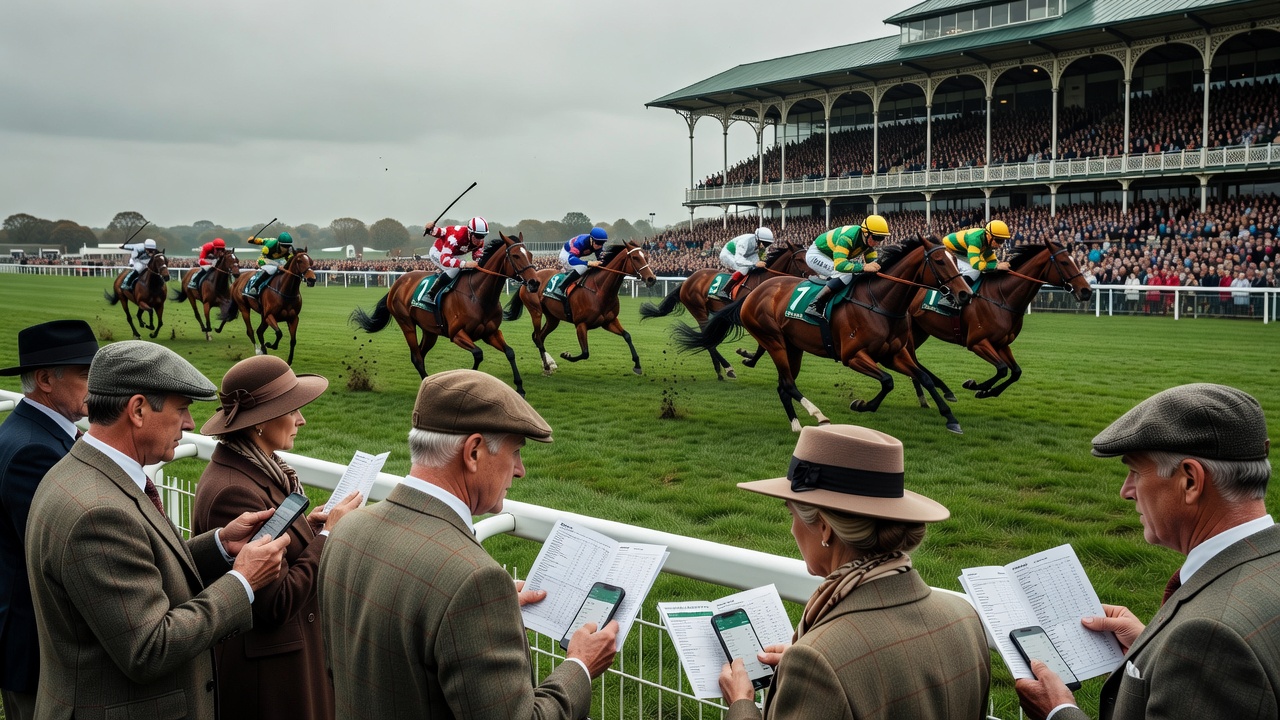
Understanding the various bet types available in UK horse racing helps bettors make informed decisions based on their risk tolerance and knowledge of the race. Different options suit different strategies, from straightforward selections to more complex combinations that offer higher potential returns.
Basic Bet Types Explained
The most straightforward option is a win bet, where the selection must finish first to secure a payout. A place bet pays if the horse finishes in the top positions, typically the first two, three or four depending on the number of runners. Each way bets combine both a win and a place element, splitting the stake equally between the two. This provides some protection if the horse does not win but still performs well enough to place.
Double and treble bets link two or three selections, with winnings from the first carrying over to the next. Accumulators extend this principle to four or more runners, increasing potential returns but also the risk as all selections must succeed.
Advanced Betting Options
Forecast bets require naming the first and second place horses in the correct order. A reverse forecast covers both possible orders. Tricast bets extend this to the first three finishers in exact order, while combination tricasts cover multiple permutations. These options appeal to those who study form closely and can predict precise outcomes.
Placepot and Jackpot bets involve selecting placed horses across multiple races on a card. The Placepot covers the first six races, while the Jackpot spans the first six on selected meetings. These require no fixed stake per race and can produce substantial dividends when fewer participants succeed.
Bankroll Management Tips
Effective betting starts with setting a clear budget and dividing it into units that limit exposure on any single race. Tracking results over time reveals patterns in performance across different bet types. Staking plans should remain consistent rather than chasing losses with larger amounts. Comparing odds across bookmakers ensures the best value for chosen selections, and reviewing race conditions such as ground and distance supports more accurate assessments. Regular review of past bets helps refine approaches without increasing overall risk.