Guide to UK Horse Racing Trainers and Their Methods
Written by Hugo Lang · Apr 13, 2026

Trainers form the backbone of competitive horse racing in the UK, overseeing every aspect of a horse's preparation from early development to race day performance. Their expertise influences fitness levels, race selection and long-term career management.
Core Duties of a Racehorse Trainer
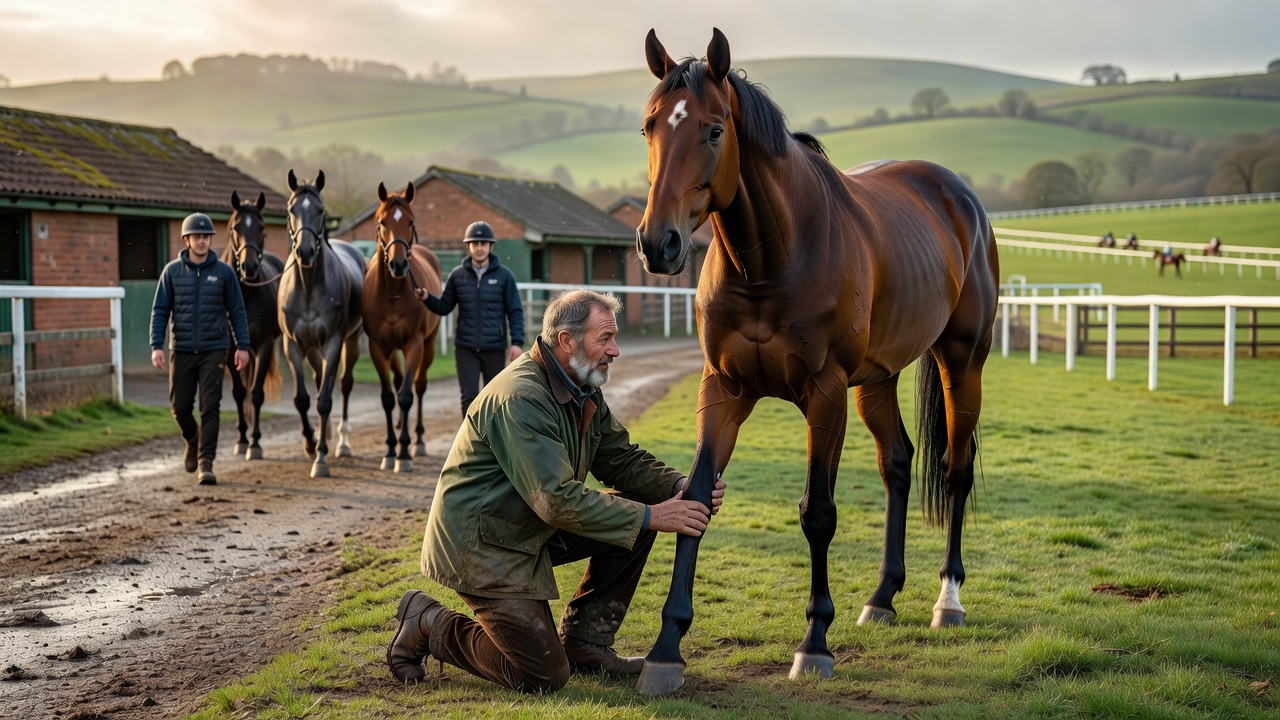
A trainer manages the daily routine of horses in their care, including exercise regimes on gallops, tailored feeding plans and regular veterinary monitoring. They decide when a horse is ready to run and select appropriate races based on distance, ground conditions and opposition. Many trainers also handle staff coordination, stable management and owner communications to ensure smooth operations across large yards.
Successful trainers maintain detailed records of each horse's progress, adjusting workloads to prevent injury while maximising potential. They often specialise in certain race types, such as jumps or flat, allowing focused development of skills suited to those disciplines.
Using Trainer Statistics Effectively
Form guides and official databases provide strike rates, win percentages and course-specific records that help assess a trainer's current form. These figures reveal patterns such as strong performance with debutants or particular success at certain tracks. Comparing recent results against seasonal averages offers insight into whether a yard is in good health or experiencing a quieter period.
Trainers with high strike rates at specific meetings often repeat that success due to local knowledge of ground and layout. Reviewing trainer-jockey combinations can further refine expectations, as established partnerships frequently deliver better outcomes than new pairings.
Researching Trainer Backgrounds
Public records list licence details, yard locations and historical achievements for every licensed trainer. Owners and punters benefit from understanding a trainer's preferred training methods, such as interval work or traditional galloping, which affect horse suitability for different race conditions. Following trainer interviews and stable tours provides additional context on current yard strength and upcoming runners without relying on speculation.
Long-term consistency often proves more reliable than short bursts of winners, making season-long data a valuable reference point for anyone studying form.