Guide to Upcoming Races in UK Horse Racing
Written by Hugo Lang · Jun 14, 2026
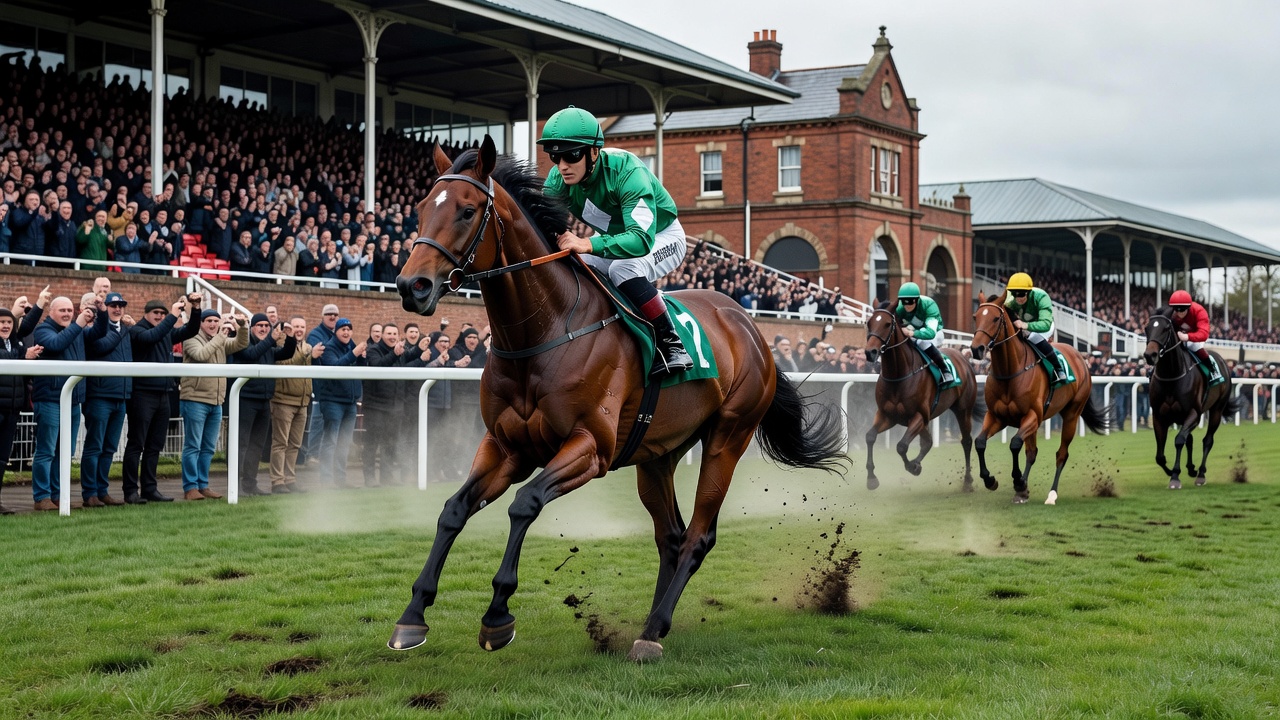
The UK horse racing calendar offers a continuous programme of events across flat and jumps disciplines. Enthusiasts benefit from understanding how to track and prepare for upcoming races throughout the year.
Navigating the Seasonal Schedule
Flat racing runs primarily from March to November, featuring classics at Newmarket and major festivals at Royal Ascot and York. National Hunt racing fills the winter months with key fixtures at Cheltenham, Aintree and Kempton. Checking the official British Horseracing Authority calendar reveals exact dates, distances and prize money for each meeting well in advance.
Venues rotate their programmes to suit ground conditions and horse populations. Spring meetings often include maiden and novice events, while autumn cards feature handicaps and listed races. Monitoring these patterns helps identify suitable targets for owners, trainers and spectators alike.
Key Factors Before Race Day
Weather and ground conditions change rapidly and directly affect horse suitability. Official going reports issued the day before racing provide the latest updates. Entries and declarations are published several days prior, allowing time to review confirmed runners and jockey bookings.
Travel and admission arrangements should be planned early, especially for popular meetings. Many tracks offer advance tickets and hospitality packages. Reviewing the race programme in detail highlights each contest’s conditions, weight allowances and eligibility criteria.
Studying Form and Trends
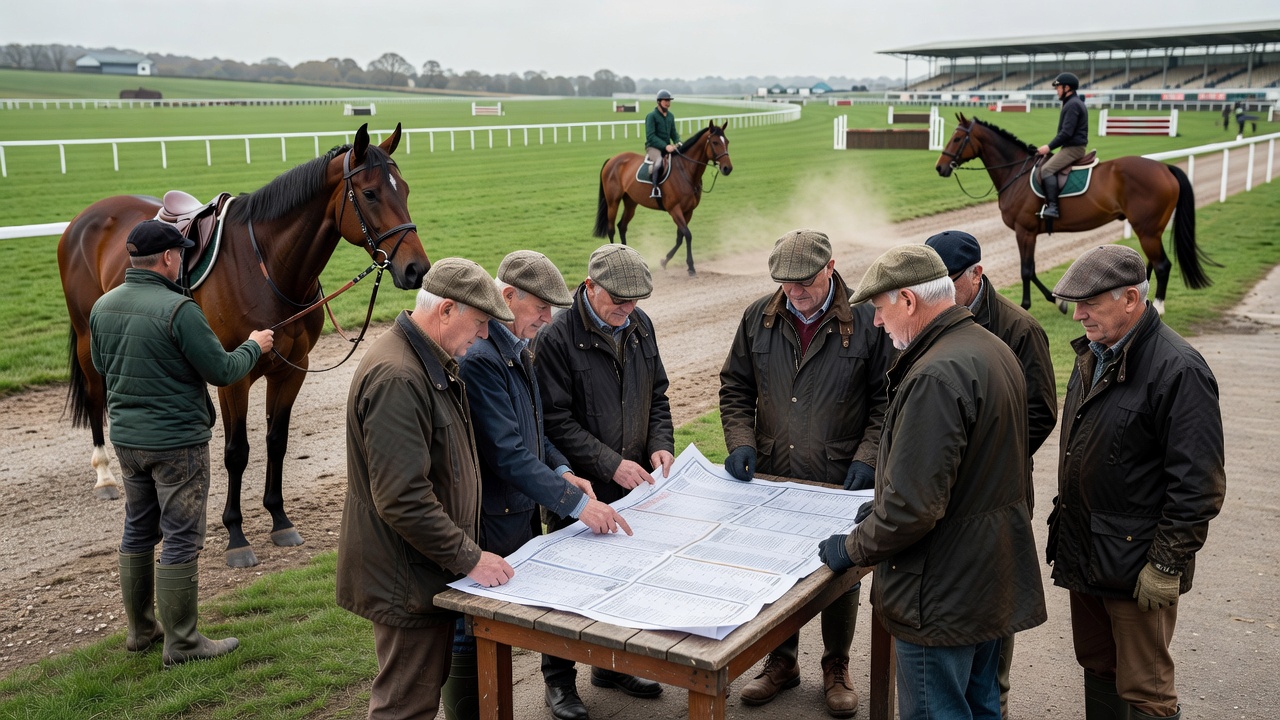
Recent performances, trainer statistics and course records form the basis of any assessment. Form guides list speed ratings, draw biases and pace profiles that influence outcomes. Historical trends at specific tracks or distances often repeat, providing useful context without guaranteeing results.
Following stable plans and official announcements keeps information current. Trainers frequently target particular races months ahead, so noting intended entries helps anticipate competitive fields. This methodical approach supports informed observation of upcoming races across the UK.